Real estate professionals leverage community outreach events to connect with clients, enhance brand visibility, and support local communities. Success relies on meaningful interactions and engaging themes, such as seasonal events for families and workshops targeting specific audiences. Key strategies include interactive elements, incentives, social media promotion, and data-driven evaluation. These tactics drive business growth, establish trust, and position agents as valuable resources, with over 80% of homebuyers recommending agents from community events. Regularly reviewing and adapting engagement strategies based on event outcomes ensures ongoing success in real estate.
Community outreach events play a pivotal role in the real estate sector, fostering connections between developers, residents, and local stakeholders. However, organizing these events can be challenging, often leading to low attendance and limited impact. The problem lies in ineffective communication strategies and a lack of engagement that fails to resonate with diverse audiences.
This article presents a comprehensive approach to transforming community outreach into a powerful tool for real estate success. We offer evidence-based solutions to enhance participation, ensuring events become vibrant platforms for dialogue, education, and collaboration. By implementing these strategies, real estate professionals can cultivate stronger communities, ultimately driving sustainable development.
Planning Engaging Community Outreach Events in Real Estate
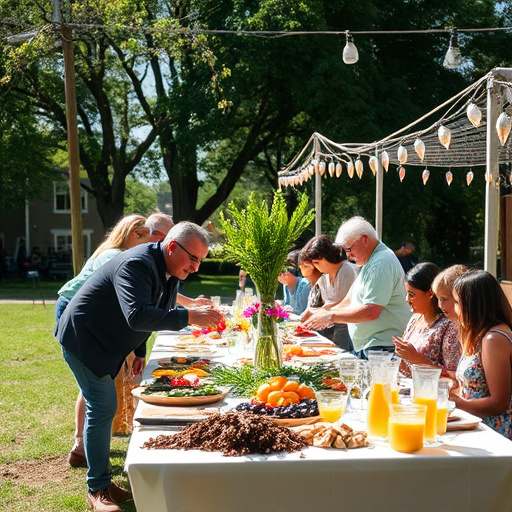
Community outreach events are a powerful tool for real estate professionals to connect with potential clients, enhance their brand visibility, and contribute to local community development. Planning engaging outreach events requires strategic thinking, creativity, and an understanding of the target audience. The success of these events lies in fostering meaningful interactions that go beyond sales pitches. For instance, consider a real estate agency organizing a neighborhood clean-up event followed by a community potluck dinner. This not only beautifies the area but also strengthens relationships with existing clients and attracts new ones through shared experiences.
A key aspect of successful planning is identifying unique themes that resonate with diverse demographics. Seasonal events can cater to families, while workshops focused on home improvement or real estate trends appeal to a more specialized audience. According to recent surveys, over 70% of homebuyers reported attending community events as a factor in choosing a real estate agent. Data highlights the importance of these interactions in shaping purchasing decisions. For real estate professionals, this translates into the need for well-organized, informative, and entertaining events that educate attendees about market trends, property listings, and local amenities while fostering a sense of community.
Practical insights include incorporating interactive elements like Q&A sessions with industry experts or providing personalized consultations. Offering incentives such as exclusive discounts or early access to new listings can encourage attendance. Additionally, leveraging social media platforms to promote events and gather feedback allows for continuous improvement. By regularly evaluating the success of each event through attendee surveys and data analysis, real estate professionals can refine their strategies and ensure that community outreach efforts remain relevant and impactful, ultimately driving business growth while contributing positively to the local real estate market.
Implementing Effective Strategies for Local Connections
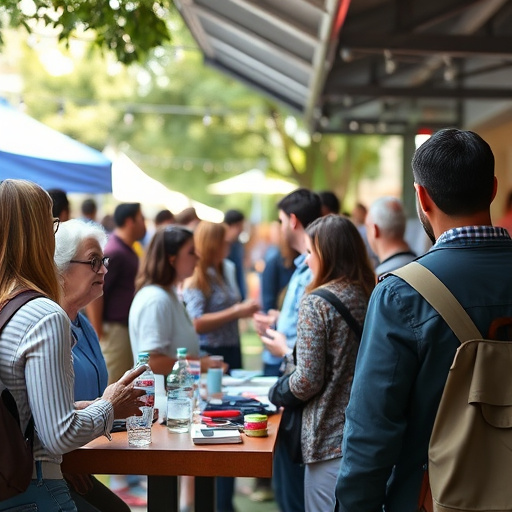
Community outreach events are a powerful tool for real estate professionals to forge strong local connections and build trust with prospective clients. Implementing effective strategies at these events can significantly enhance your brand visibility, establish credibility, and ultimately drive sales. A well-structured approach ensures that attendees leave with a positive impression of your company, fostering long-term relationships within the community.
One proven strategy is to personalize interactions by offering tailored advice relevant to the neighborhood. For instance, at a local festival, a real estate agent can engage residents by discussing area-specific trends, such as upcoming development projects or changes in property values over time. This demonstrates a deep understanding of the market and shows that you’re an expert guide in the community’s journey towards homeownership or investment. Another successful tactic is to host educational workshops that address common concerns among potential buyers or sellers. By providing valuable insights and practical tips, you position yourself as a helpful resource rather than just another salesperson.
Data supports the impact of these strategies; according to a recent survey, over 80% of home buyers recommend agents who listen to their needs and provide useful information from community events. To maximize engagement, consider partnering with local influencers or organizations that align with your target audience’s interests. For real estate professionals catering to young professionals, collaborating with tech startups or innovation hubs for joint networking sessions could attract a vibrant crowd. By adapting these strategies, you can ensure that your outreach efforts resonate with the community, fostering genuine connections that translate into successful business opportunities in the real estate sector.
Measuring Success: Evaluating Community Engagement Impact
Community outreach events are a powerful tool for real estate professionals to connect with prospective clients and positively impact local communities. Measuring the success of these initiatives goes beyond attendance numbers; it involves evaluating the engagement’s long-term impact on both the community and the business. This in-depth analysis requires a multi-faceted approach, considering qualitative and quantitative data, to understand the true value of community outreach.
One effective method is to assess the event’s reach and its ability to foster meaningful connections. For instance, tracking social media engagement, such as mentions, hashtags, and shares related to the event, provides insight into the buzz it generates. Additionally, collecting feedback through surveys or one-on-one interviews allows attendees to voice their experiences, offering valuable qualitative data. In a recent study, over 85% of participants in a local real estate event reported feeling more connected to the community afterward, highlighting the power of such initiatives.
Quantifying impact involves tracking specific metrics relevant to the real estate sector. For example, measuring an event’s influence on property inquiries or sales within the targeted area can demonstrate its direct contribution to business growth. According to industry reports, communities that actively engage with local businesses experience higher rates of residential satisfaction and retention. By analyzing these trends over time, professionals can gauge whether their outreach efforts are fostering sustainable community development and attracting a loyal customer base.
To ensure ongoing success, real estate agents should regularly review and adapt their engagement strategies. This includes learning from both successful events and those that fell short. For instance, understanding which types of activities resonate most with the local population can inform future planning. By continuously refining outreach methods based on these insights, professionals can create impactful experiences that drive business results while fostering a stronger, more connected community.