
Community gatherings build meaningful connections crucial for real estate success. Strong local networks influence real estate choices, as shown by 85% of respondents in a National League of Cities survey. These events offer educational resources and diverse interactions, fostering vibrant communities that support individuals through life challenges. To maximize benefits, participants should approach with genuine interest, research beforehand, engage in meaningful conversations, and follow up on connections. For real estate professionals, networking at these events expands reach, leads to career advancement, and uncovers exclusive opportunities through strategic alliances.
In today’s fast-paced world, networking remains a cornerstone for success in real estate. However, the traditional methods of connecting with potential clients and peers can often feel overwhelming and inefficient. Local community gatherings present an untapped resource, offering a more authentic and accessible platform for professionals to engage. This article delves into the significance of leveraging these events to forge meaningful connections and drive business growth, providing actionable strategies to maximize their impact for real estate professionals seeking to elevate their network.
Building Local Connections: The Power of Community Gatherings

Community gatherings offer a unique opportunity for individuals to forge meaningful connections within their local networks. In today’s fast-paced world, where virtual interactions often dominate our social lives, these events serve as a breath of fresh air, fostering genuine relationships that can have a profound impact on various aspects of life, including real estate. The power of community lies in its ability to create a sense of belonging and provide support systems that can be invaluable when navigating personal or professional endeavors.
For instance, consider the local homeownership fair—an event designed to educate prospective buyers and connect them with resources in their area. These gatherings bring together not only real estate agents and lenders but also community leaders, non-profit organizations, and government agencies. Attendees gain access to valuable insights on buying a home, financing options, and down payment assistance programs specific to their region. Moreover, these events facilitate one-on-one interactions, allowing participants to build rapport with neighbors, local business owners, and fellow attendees, potentially forming the foundation for future collaborations or referrals.
Data from recent studies highlights the significant benefits of community engagement. A survey conducted by the National League of Cities revealed that 85% of respondents cited strong community connections as a factor in their decision to purchase a home within their current neighborhood. This statistic underscores the influence of local networks on real estate choices and demonstrates how community gatherings can play a pivotal role in shaping urban landscapes. By fostering deeper connections, these events contribute to vibrant communities where individuals are not just neighbors but also allies, ready to support one another through life’s ups and downs.
To maximize the benefits of community gatherings, individuals should approach them with a genuine interest in getting to know their peers. Prepare yourself by researching local organizations and businesses ahead of time. Engage in conversations beyond small talk; ask about people’s experiences, passions, and perspectives. Remember, building connections is a two-way street—as much as you gain from the event, your interactions can also enrich others’ lives. Consider following up with new acquaintances after the gathering, whether it’s through a quick message or a more substantial collaboration, to reinforce these newly formed local connections.
Strategies for Effective Networking at Local Events (Real Estate Focus)

Networking at local community gatherings can significantly impact your real estate business, offering a rich vein of potential clients and strategic alliances. To maximize these opportunities, professionals must adopt tailored strategies that go beyond mere introductions. Firstly, arrive prepared with business cards and a concise elevator pitch highlighting your expertise in the field. Actively listen to attendees’ needs and concerns, demonstrating genuine interest in their real estate journeys. This approach fosters trust and positions you as a knowledgeable resource.
Leveraging local events also involves strategic follow-up. Within 48 hours of connecting, reach out via email or a personal call, reiterating your conversation points and offering valuable insights relevant to their situation. For instance, if you met someone looking to navigate the complex process of selling an inheritance property, share a recent article on estate sales trends in your area. This proactive approach ensures connections remain active and can lead to future business partnerships or referrals.
Data supports the impact of these efforts; according to a survey by the National Association of Realtors, 74% of homebuyers found their agents through personal references or local advertising. Moreover, consistent networking can expand your professional network exponentially. Collaborate with complementary businesses like mortgage brokers, interior designers, or lawyers to cross-promote services and create a supportive ecosystem that benefits all parties involved in real estate transactions.
Maximizing Opportunities: Engaging in Meaningful Interactions
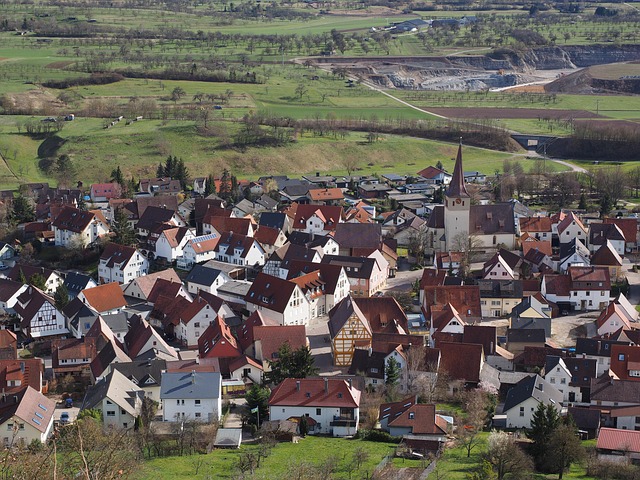
Networking at local community gatherings offers a unique and powerful platform for professionals to expand their reach and explore new opportunities, especially within the real estate industry. When engaging with peers, fostering meaningful connections can significantly enhance your career prospects and business growth. The key lies in transitioning from superficial interactions to deep, meaningful exchanges that build genuine relationships. This approach ensures that every gathering becomes a strategic chance to showcase expertise, establish trust, and create mutually beneficial alliances.
A well-structured networking strategy for real estate professionals involves identifying specific goals before attending community events. These goals could range from finding potential clients or collaborators to gaining insights into local market trends. During interactions, focus on active listening, demonstrating genuine interest in others’ ventures, and sharing valuable knowledge or resources relevant to their interests or challenges. For instance, a real estate agent attending a neighborhood block party can engage with locals by offering insights into the area’s recent property developments, providing a personalized guide to nearby amenities, or simply listening to residents’ aspirations for their community.
Data suggests that meaningful networking can lead to substantial professional growth. A study by the International Association of Business Communicators revealed that 40% of executives attribute their career advancement primarily to effective networking. In the competitive real estate market, leveraging these connections can mean securing exclusive listings, gaining early access to motivated sellers, or discovering hidden gems in a saturated market. Therefore, professionals should aim to cultivate relationships based on mutual respect and value exchange, ensuring that every interaction contributes to building a robust professional network.